In high-end packaging design, surface finishing affects the visual appeal and the tactile experience directly when consumers hold the box. For collapsible rigid boxes, lamination is a common surface treatment, with soft-touch lamination and matte lamination frequently used to enhance the package’s texture.
With 16 years of custom packaging experience, Lingxiu has observed that soft-touch and matte lamination are not simply a choice between “premium” and “standard.” They also differ in brand positioning, budget structures, and production requirements. In this article, we will guide you through the characteristics of these two lamination types, helping you choose the most suitable packaging solution for your products.
What Is Soft-Touch Lamination?
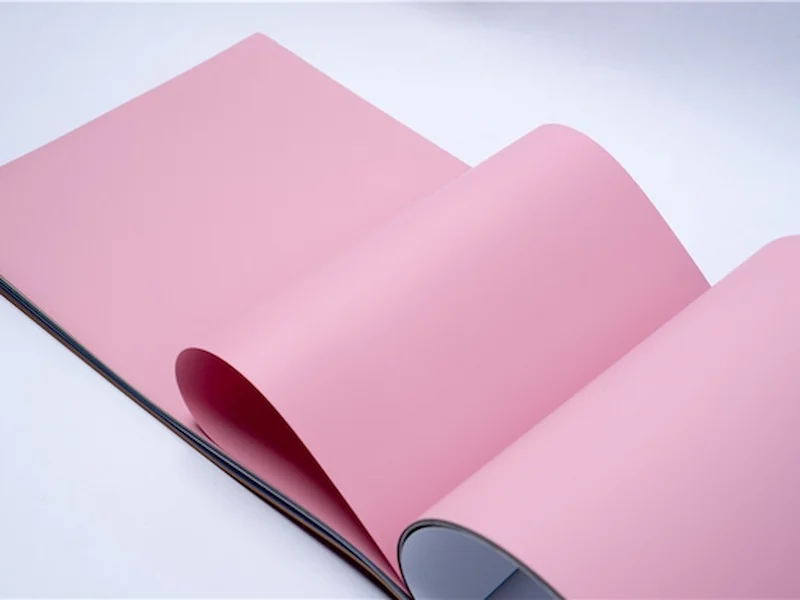
The soft-touch film process is a surface finishing method for printed materials. It adds a special film with tiny particles or a matte coating, making the surface feel silky, soft, and velvety while also making it more wear-resistant and stain-resistant.
Soft-touch lamination can provide a soft and smooth texture. It usually presents a low-gloss or near-matte visual effect, absorbing more light and making the printed colors appear richer and more stable.
The most distinctive feature of soft-touch lamination is its soft, skin-like texture. Therefore, soft-touch lamination is often used in brands with a low-key luxury position.
What Is Matte Lamination?
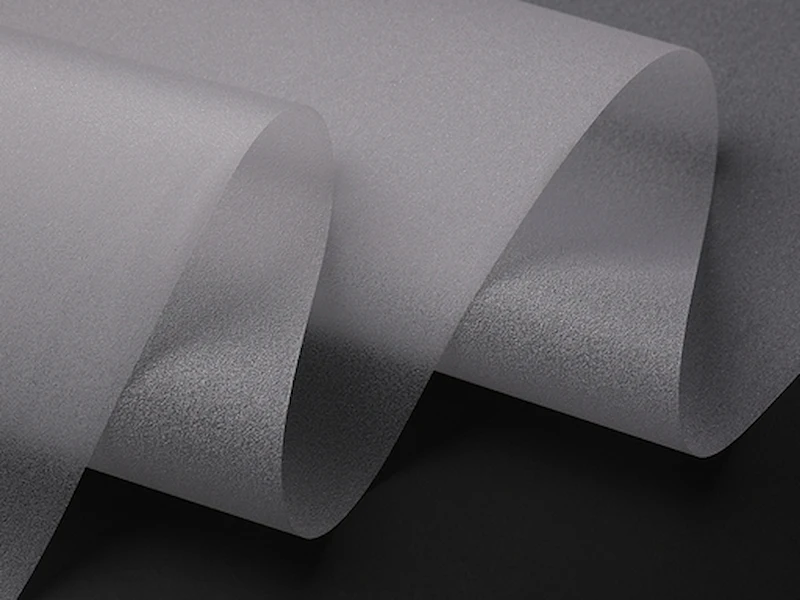
Matte lamination is a more mature and widely used surface treatment in collapsible rigid boxes. It applies a matte BOPP (Biaxially Oriented Polypropylene) or PET (Polyethylene Terephthalate) film to the packaging surface. This creates a low-reflective visual effect with a fine abrasive finish.
Matte-laminated collapsible rigid boxes have a dry and flat surface, so text and graphics can be printed clearly on them. Therefore, matte-laminated collapsible rigid boxes are suitable for large-area color design and complex graphics. Compared to soft-touch lamination, the cost of matte lamination is lower, the supply chain is more mature, and the post-processing is more effective. There is no doubt that it is suitable for mid-end brands, batch gift boxes, and electronics boxes.
In simple terms, matte lamination focuses more on achieving a low-gloss visual effect, while soft-touch lamination pays attention to both the visual and tactile experiences.
You can choose the appropriate lamination method based on your product and brand style. If you are unsure which method is more suitable for your brand, you can directly contact us – Lingxiu Custom Collapsible Rigid Box Factory. We will provide you professional advice.
Key Differences Between Soft-Touch Lamination and Matte Lamination
Both soft-touch and matte lamination offer a low-gloss surface, but they differ significantly in tactile experience, visual effect, post-process compatibility, and cost structure. Before you make a decision, you can compare the following aspects:
Tactile Experience
The most obvious difference between soft-touch lamination and matte lamination is how they feel when you touch the surface. A collapsible rigid box with soft-touch lamination has a soft, smooth, and slightly paused feel. When you slide your fingers across the surface, there is a gentle resistance. The texture is similar to baby skin or velvet. This tactile experience can create a stronger sense of luxury and refinement. It works especially well for jewelry, perfume, high-end skincare, and limited-edition gift boxes.
A collapsible rigid box with matte lamination, on the other hand, has a drier feel with a subtle frosted texture. Its texture will not overly emphasize softness. At the same time, it still gives the box a consistent and understated premium look. For applications that involve frequent handling, display, and opening, matte lamination offers a more neutral feel and is easier to use across different products.
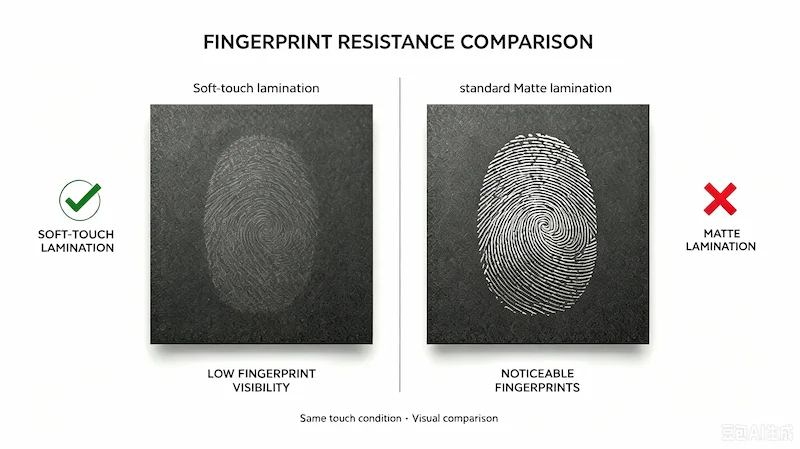
Soft-touch lamination usually does better against fingerprints and greasy dirt. It stays clean-looking longer. Matte lamination on dark or large-area printed packaging may show greasy dirt and fingerprints more easily. So if your product is high-end and mainly dark, we usually recommend soft-touch lamination.
Visual Effect
Both soft-touch lamination and matte lamination have low-gloss surfaces, but they create different visual effects.
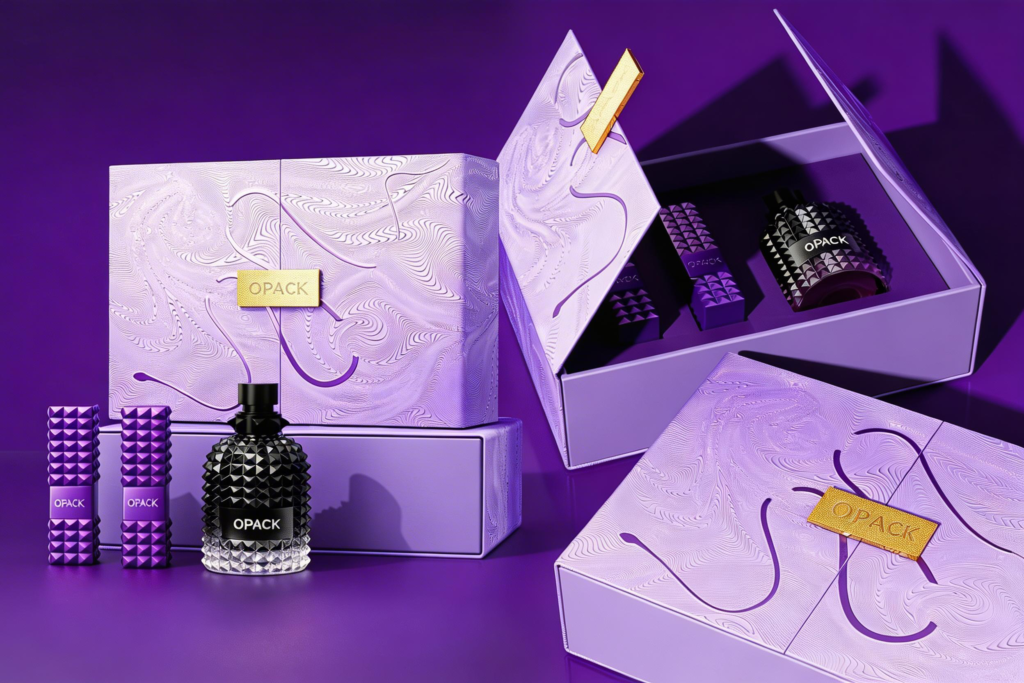
Collapsible rigid boxes with soft-touch lamination have less reflection and a deeper, richer color effect. They work especially well with dark colors such as black, navy blue, and burgundy. This finish can create a subtle, luxurious, and mysterious brand feel. For high-end skincare, perfume, and jewelry, soft-touch lamination can make the packaging feel more premium.
Collapsible rigid boxes with matte lamination have a more even and clean matte finish. They are a good choice for minimalist, modern, tech, and natural styles. Matte lamination works well for cosmetics, food, clothing, and electronic products.
Post-Process and Structure Compatibility
In the production of collapsible rigid boxes, lamination is merely a surface process. What truly affects the overall effect of the packaging is the coordination between the lamination, the creases, the corner folds, and the manufacturing process.
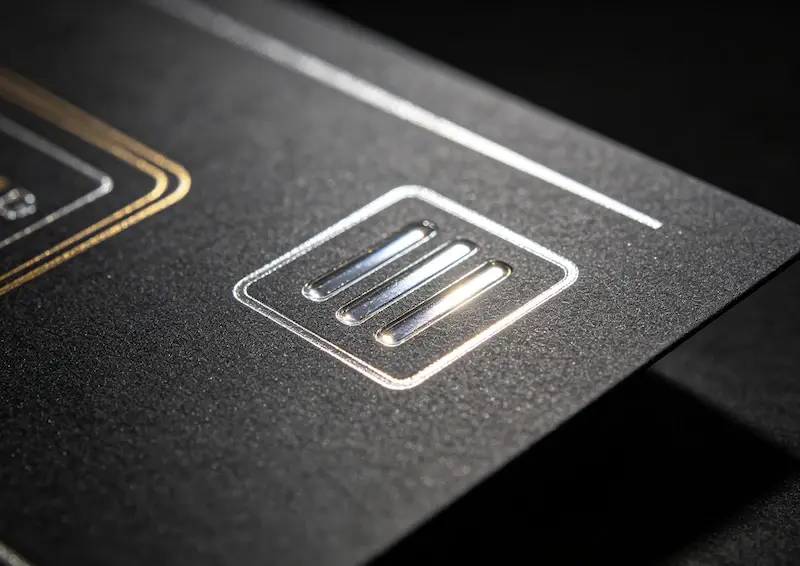
Matte lamination has a frosted surface; the high friction force enables it to bond well with the subsequent processing techniques. Whether it is foil stamping, embossing, spot UV, or screen printing, they can all be effectively displayed on matte lamination.
The surface of the soft-touch lamination is smooth. If your design involves foil stamping and embossing, it is necessary to carefully select the appropriate foil paper, temperature, pressure, and glue system. Otherwise, problems such as gold loss, peeling, and rough edges may occur. If you need to combine soft-touch lamination with embossing or large-area UV treatment, Lingxiu custom packaging manufacturer will conduct multiple rounds of testing during the proofing stage. We will ensure that the packaging surface and the process match reliably.
Durability, Logistics, and Cost
Both soft-touch lamination and matte lamination offer some water resistance, scratch resistance, and wear resistance. However, due to the higher requirements of the soft-touch lamination for the production environment and process. It works better in anti-fingerprint performance and creating a more premium texture. Therefore, the cost of soft-touch lamination in folding rigid boxes is usually higher than that of the standard matte lamination.
Relatively speaking, matte lamination are more cost-controllable and their lead times are more stable. They suit large-volume and budget-sensitive projects. For boxes that need long-distance shipping, e-commerce delivery, or repeated trade show use, matte lamination offers enough scratch resistance and folding endurance. If you want an ultimate unboxing experience, soft-touch lamination can bring higher perceived value.
From a purchasing decision perspective, if the product is high-end cosmetics, perfume, jewelry, whisky, or limited-edition electronics accessories, soft-touch lamination on collapsible rigid boxes more easily convey a premium feel. Customers can feel their money is well spent when they touch the packaging. If the product is mid-end goods, bulk gifts, promotional sets, or collapsible rigid boxes that need complex finishing processes, matte lamination is often more suitable.
Lingxiu suggests you evaluate tactile feel, visuals, finishing, cost, and shipping at the select the lamination stage. If you are not sure which type of lamination to choose, feel free to contact us. Lingxiu is a professional manufacturer specializing in custom foldable rigid boxes with extensive experience, and we will provide expert advice tailored to your specific situation and requirements.
How to Choose Lamination Types for Customized Collapsible Rigid Boxes?
When choosing between soft-touch lamination and matte lamination , the first step is to clearly define the brand positioning and the opening expectations.
Secondly, evaluate the printing colors and surface processes. Dark colors, full-page designs, and products requiring a low-key and luxurious feel are more suitable for soft-touch lamination. While light colors, complex graphics, and products requiring high compatibility for post-process are more suitable for matte lamination.
Thirdly, confirm the collapsible rigid box structure, including folded edges, corner protection, magnetic adhesion, drawers, lids, and covers, etc. Different structures have different requirements for the lamination and the glue.
Finally, combine the order quantity, delivery date, and budget to select a stable production plan.
Create Your Collapsible Rigid Box with Lingxiu
Lingxiu is a packaging manufacturer with 16 years of experience in custom folding boxes. Based on your product characteristics, budget, and design requirements, we can provide professional solutions covering material selection, structural design, surface processing, and free design services. Whether it’s matte collapsible rigid boxes or soft-touch collapsible rigid boxes, they can all be customized according to specific projects.
If you are looking for a professional manufacturer specializing in custom folding rigid boxes, please contact our WhatsApp or email. We will provide you with specialized customization services and factory direct prices.
FAQ
What is the difference between soft-touch lamination and matte lamination?
Soft-touch lamination creates a smooth, skin texture that can be felt when you touch the box. Matte lamination mainly reduces surface gloss and reflection, creating a clean and understated appearance.
The main difference is that soft-touch lamination places more emphasis on tactile appeal.
Is soft-touch lamination more premium than matte lamination?
Soft-touch lamination is often perceived as more luxurious because of its distinctive texture. However, matte lamination can also create a premium look, especially when combined with high-quality printing, foil stamping, embossing, or other finishing techniques.
Which lamination is better for collapsible rigid boxes?
Neither finish is universally better. Soft-touch lamination is suitable when tactile experience and premium positioning are important. Matte lamination is a practical choice for brands looking for a clean, modern, and low-gloss appearance.
Which lamination is better for skincare packaging?
Both options can work well for skincare packaging. Soft-touch lamination is a good choice for premium skincare and gift sets if you want a more expensive feel, while matte lamination works well for clean, minimalist, and modern skincare designs.
Does soft-touch lamination cost more than matte lamination?
In most cases, soft-touch lamination costs more than standard matte lamination because of the additional film material and production requirements. The final cost also depends on box size, material, quantity, printing, and other finishing processes.